
Haunting and lyrical: Of Monsters and Men make a triumphant return to Manchester
Of Monsters and Men @ Albert Hall Manchester | 15th Febuary 2026
Reviewed by Paul Knowles and Sam Cassells
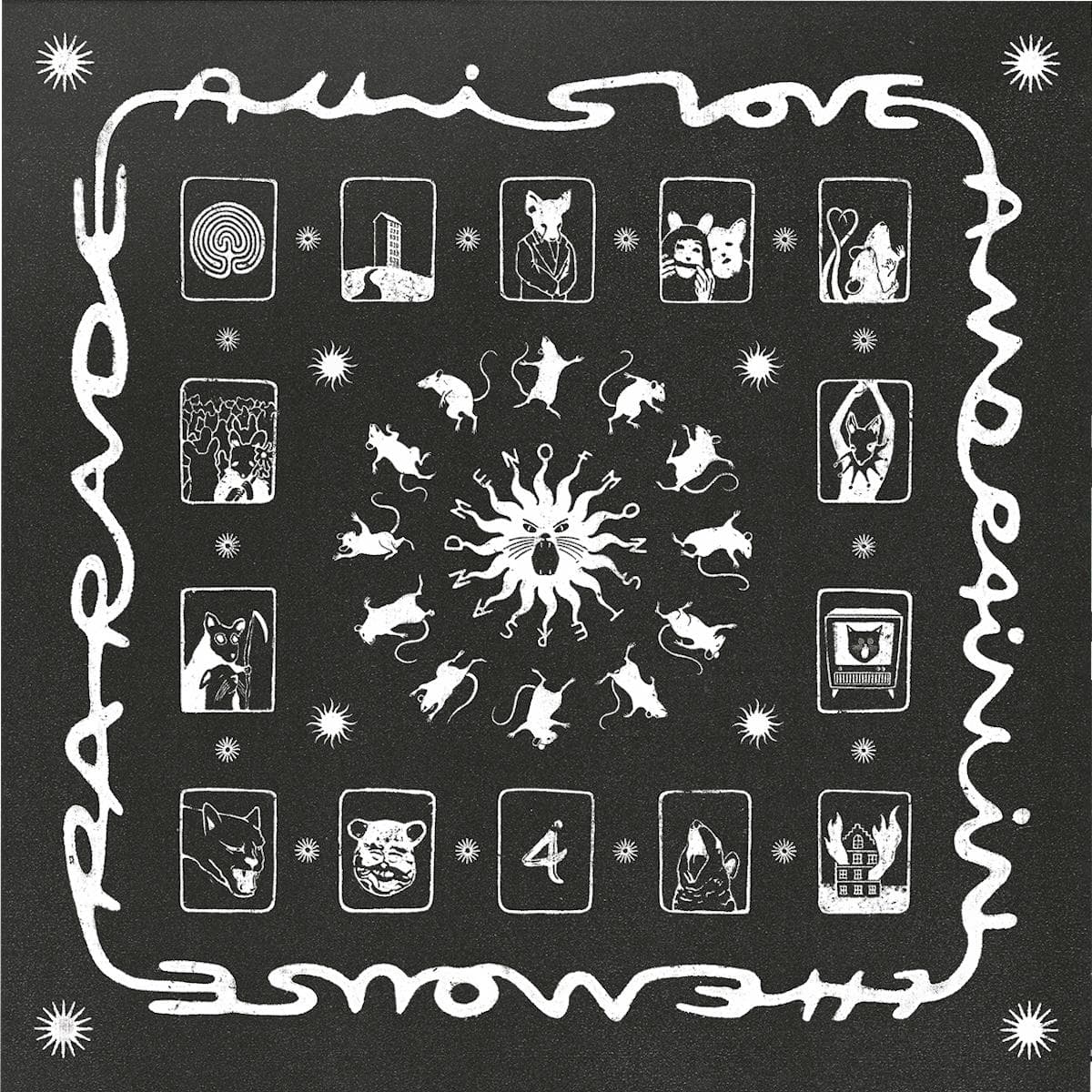
The faded grandeur of Manchester’s Albert Hall, a former Wesleyan chapel, proved the perfect setting for the triumphant return Of Monsters and Men after a seven‑year absence from the city. The band’s distinctive blend of Icelandic folk‑rock, myth‑infused lyricism, soulful harmonies and aching vocals lifted the sold‑out crowd to new emotional heights. Touring their fourth studio album, All Is Love and Pain in the Mouse Parade, they were joined by the supremely talented Árný Margrét, whose opening set created the tone for a night of raw, heartfelt music.
Árný Margrét felt like a throwback to the great folk singers of the 1960s. Armed only with her guitar and a voice steeped in honesty and heartbreak, she captivated the room with the elegance and purity of her performance. This was live music at its most elemental: a storyteller, a guitar, and an audience held in quiet awe. Her set created the perfect emotional landscape for what was to follow, reminding everyone of music’s ability to move through simplicity and sincerity.
Of Monsters and Men opened with the hypnotic ‘Television Love’, a mournful reflection on unrequited affection that showcased the vocal interplay between Nanna Bryndís Hilmarsdóttir and Ragnar Þórhallsson. Þórhallsson’s regret‑laden opening lines, walking away from a love that has wounded him, were later entwined with Hilmarsdóttir’s unsettling refrain of ‘television love’, leaving the audience to question whether his ‘bleeding love’ was genuine or merely performative.
They followed with a new personal favourite, ‘Dream Team’, its upbeat tempo providing the perfect vehicle for Hilmarsdóttir and Þórhallsson to bounce off each other’s energy as the song swelled into a feel‑good celebration of first love. The band then unleashed the powerhouse that is ‘King and Lionheart’, one of the tracks that first propelled them onto the global stage. Hilmarsdóttir’s voice soared with raw strength and beauty, while drummer Arnar Rósenkranz Hilmarsson’s masterful control of rhythm drove the song toward a rousing crescendo that swept the crowd along.
The momentum continued with the lively and uplifting ‘Tuna in a Can’, infused with the band’s signature off‑kilter lyrics, dynamic duets and ever‑building emotional peaks. This gave way to one of their most inspired rock numbers, ‘Alligator’, its thundering vocals (‘wake me up, I’m fever dreaming’) shaking the room before easing into the synth‑tinged pop of ‘Human’, an underappreciated gem from their second album Beneath the Skin.
The pace softened briefly with the heavily folk‑inspired ‘Styrofoam Cathedral’, a meditation on the false promises of consumerism that drifted into the ethereal harmonies reminiscent of Wolf Alice or Bat for Lashes. But the respite was short‑lived. The opening notes of ‘Little Talks’ — arguably their best‑known song — sent the crowd into joyous eruption, carried away once more by the band’s unmistakable sound.
The encore showcased the breadth of the band’s musical range through two contrasting pieces. First came the haunting, elegiac, ‘Love Love Love’. The audience swaying gently in grateful appreciation of a band performing at the height of its powers. Then came ‘Fruit Bat’, a standout from the new album and essential listening for anyone yet to explore it. Beginning with a subdued, melancholic melody, it built steadily into a soulful climax, Hilmarsdóttir and Þórhallsson’s voices blending into a harmony that felt almost transcendent.
Albert Hall proved the perfect venue for the band’s return. Its decaying beauty, bathed in hazy blue light, lent a sense of grandeur and timelessness to the performance, allowing their music—and its mythological undertones—to soar to epic heights. Hilmarsdóttir promised the loyal Manchester crowd that the band would return. After a night of such moving, honest and powerful music, one can only hope the Icelandic five‑piece keep that promise soon.
Reviewed by Paul Knowles and Sam Cassells