
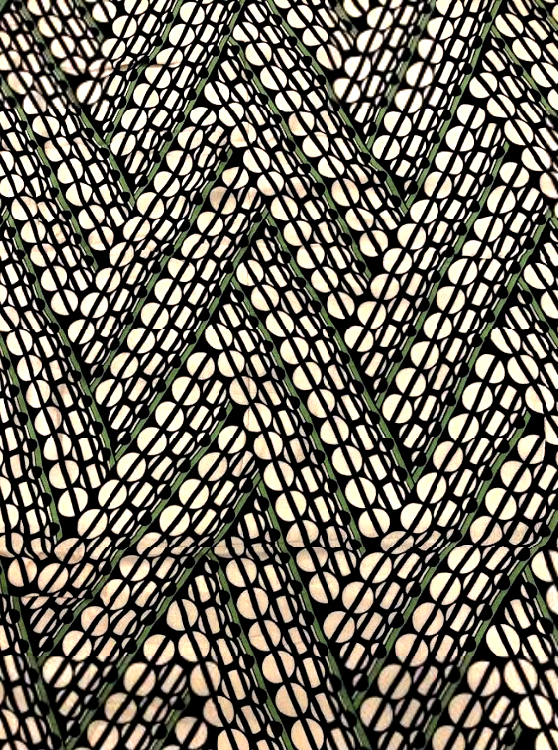
Image: © Courtesy of Manchester City Galleries
Windwatt
Tide wrack winds
through clotted estuary mud,
mud so thick it stops the breath,
but gives life
to riverine shell-creatures,
and makes mudflats
blossom with detritus,
estuarine silt flowers;
clay-born and half-formed things.
Taf-torn, river wrought,
the Landsker Line* splits
more than language; even
this island town,
from which castles
slide into swamps, levees
dissolve into salt, and
cockles herald
the last stand of the shore.
Is this glacial-silt, unfrozen in
time and space?
Or just the mundane
passage of a landfill life,
made less than solid
by the passing of the tides.
Either way, the barren
zone that spreads from
within that long grass makes
quick work of our swamp-flats,
where shorebirds have only
bay mud and skimming stones
to gorge on.
Let us too slide into the silt, find
a dune from
which to watch
the collapse of the beach barrier,
and the spread of the wrack,
as the high-water mark moves
over and above our heads,
until we are nothing but
herringbone shapes,
waiting for
a longshore current
to wash us away.
*Language border that divides West Wales into Welsh-speaking and English-speaking areas.
Thomas Storey is an editor and writer who lives in Copenhagen. His work has been published in Wild Court and the Tiger Moth Review. In 2023, he was co-winner of the Cosmo-Davenport Hines poetry prize. He is currently in the process of completing a monograph on representations of environmental and technological hybridity from Romanticism to digitality, forthcoming from Routledge in 2026. He was born in Laugharne, on the estuary of the River Taf in SouthWest Wales.